define object-storage --plain-english
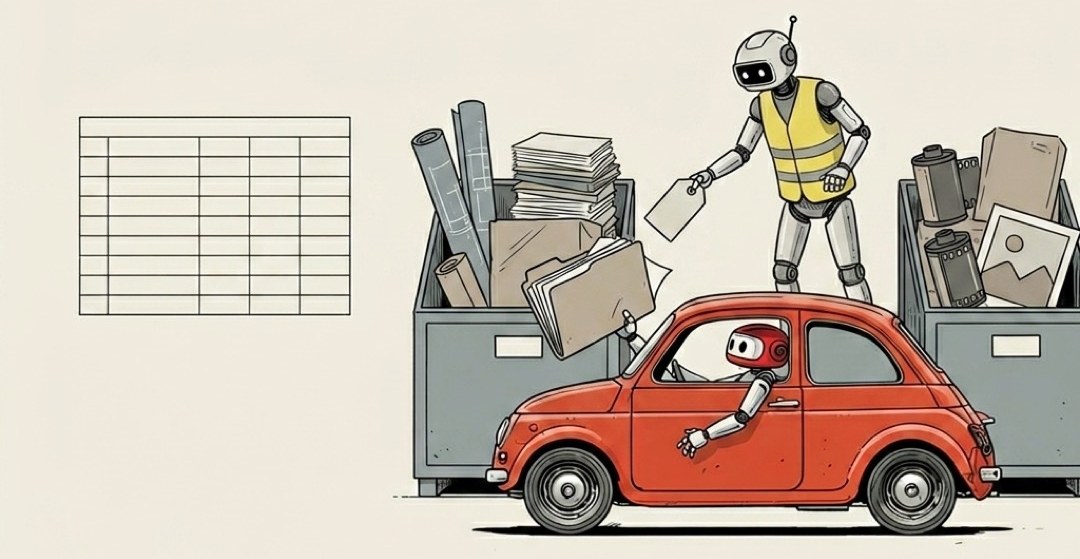
Object Storage
TLDR:A giant bucket for files on the internet.
When a customer uploads a photo to a site I run, where does that photo actually go?
For a long time I assumed it just sort of lived "in the app." It doesn't. The app is the dining room and the kitchen. The photo is heavy, and you don't pile heavy things in the kitchen. You hand them to the coat check.
That coat check is object storage.
You hand over the item. You get back a ticket. The item disappears into a giant back room you never see, sitting on a numbered hook with thousands of others. Later, you come back, show the ticket, and they fetch the exact one you handed in.
In software the ticket is just a web address. Upload a file, get back a link. Want the file again? You don't go digging through folders. You show the link, and it comes right back.
- You hand over: a photo, a video, a PDF, a backup, a user's upload.
- You get back: a unique address, basically a claim ticket.
- You return with the ticket: the file comes back, untouched.
Why not just shove the files in the database? This was the part that flipped a switch for me. The database is the kitchen's notebook, where the app writes down small facts it needs constantly: your email, your order total, when you signed up. Quick to scribble, quick to look up. Now imagine trying to stuff a 4K video into that notebook. You'd jam the pages, slow every lookup down, and pay a fortune for the privilege.
So the split is clean, and once you see it you see it everywhere:
Small facts about a thing go in the database. ("User 88 uploaded a profile photo. Here's the ticket for it.")
The big thing itself goes in object storage, and the database just keeps the ticket.
The notebook stays thin and fast. The heavy stuff lives in the cheap back room where heavy stuff belongs.
And it is genuinely cheap, and genuinely hard to lose. That's the quiet superpower. This kind of storage is built to be dirt cheap per file and almost impossible to lose, because behind the scenes it's quietly keeping multiple copies of your stuff across different buildings. A drive dies in some warehouse and you never feel it. Your coat was hanging on three hooks the whole time, you just only ever needed the one ticket. That's why it's where backups go to sleep at night.
A few things worth holding onto:
- You've used it ten thousand times today. Nearly every image, video, and download you load off the internet was handed to you by an object store. The big famous one is Amazon's S3, and a huge slice of the web's files sit in it right now.
- It's "dumb" on purpose. The coat check doesn't open your bag, edit your coat, or rummage through pockets. It holds the whole item and hands it back, all or nothing. You don't tweak a file in storage. You pull it out, change it, put a fresh one back. That simplicity is exactly why it's so cheap and so reliable.
- The ticket can be public or private. Some addresses anyone can open (the product photos on a store). Some are locked, and the app hands out a temporary ticket good for a few minutes (a private file someone bought). Same back room, two kinds of claim check.
The cleanest way I can say it: your database remembers the facts, your object storage holds the stuff. Hand the heavy things to the coat check, keep the ticket, and your app stays light on its feet.