define serverless --plain-english
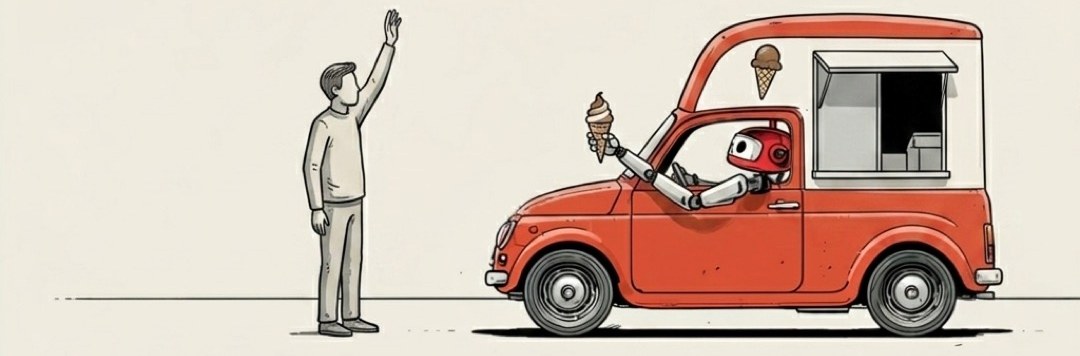
Serverless
TLDR:Rent computing by the moment, no server to babysit.
The name is a flat-out lie. There is absolutely still a server. There has to be. Your code has to run somewhere.
What "serverless" actually means is this: it's not your server, and it's not your problem.
Think about owning a car versus calling a ride when you need one. Own the car and you're paying for it every single day, insurance, payments, parking, whether you drive it or not. Call a ride instead and you skip all that. You pay nothing until the moment you actually need to go somewhere, and then a car shows up, does the job, and disappears again. You pay for the ride, not for owning the car.
You stopped renting a machine that runs around the clock and started paying by the moment your code actually does something.
The old way, so you can feel the difference. You rent a server (that always-on computer sitting in a warehouse) and it's yours now. Which sounds nice until you realize what "yours" means:
- It runs 24/7, and you pay for all 24, even the 3am hours when not one human is using your app.
- When it crashes, that's your pager going off.
- When it needs a security update, that's your Saturday.
- When a flood of traffic hits, you'd better have rented a bigger one in advance, or it falls over.
That's a car sitting in your driveway all night, payments due either way, for the one trip you might take at 3am.
The serverless way, you don't own the car. You hand the provider (a company like Vercel, Cloudflare, or AWS) one small piece of code: one function that does one job. Things like:
- resize this image
- send this confirmation email
- check if this coupon is real
Then you walk away. When someone actually triggers that job, here's what happens:
A request comes in. "Someone just checked out. Send the receipt."
The provider dispatches a car out of a giant shared fleet it keeps circulating nearby.
Your function runs, sends the receipt, and finishes.
The car goes right back into the fleet for the next person who needs one.
You never picked the car. You never knew the driver. You'll never see it again. And the meter only ran for the length of that one trip.
So why should a non-coder care? Two reasons, both money and sanity.
- You pay for use, not for waiting. A side project that gets ten visitors a month can cost you basically nothing, because nothing's running while nobody's there. Compare that to renting a server that bills you every hour regardless. For most small or spiky things, this is the difference between a few cents and a real monthly bill.
- Traffic spikes stop being terrifying. Get featured somewhere and a thousand people show up at once? The provider just pulls a thousand cars out of the fleet, runs your function a thousand times, and sends them all back. You didn't plan for it. You didn't upgrade anything. It just scaled, because it was never one car to begin with.
There's a flip side worth knowing, and it's the same math as any ride you take instead of a car you own. Take one ride a month and hailing one is obviously cheaper than owning a car outright. Hail rides constantly, multiple times a day, every day, and eventually the math flips: owning, or at least leasing, the car would have cost less than paying for every single trip. Serverless works the same way. It's cheap when your traffic is light or spiky, and if you run it flat-out at real volume, the per-request pricing can end up costing more than just renting your own always-on server would have.
There's one more honest catch, called a cold start. It's almost that instant, but not quite. If nobody's called a ride in your area for a while, the app has to find a car and send it your way first, adding a beat of delay to that first request. Keep the rides flowing and cars stay close, snappy and ready. Let it go quiet, and the next request waits an extra moment. Usually nobody notices. For something where every millisecond counts, people pay extra to keep a car idling nearby.
You're not making payments on a car that mostly sits in the driveway anymore. You call a ride when you need one, and that's the only time you pay.