define encryption --plain-english
Encryption
TLDR:You send a credit card number across the internet and it passes through who knows how many machines on the way to the store.
You send a credit card number across the internet and it passes through who knows how many machines on the way to the store. Encryption is the reason a stranger sitting in the middle sees gibberish instead of your number.
Encryption is scrambling information into nonsense that only the right key can turn back into the real thing. You run readable text through a lock, and out comes a mess of characters that means nothing to anyone who grabs it. The person on the other end, the one with the matching key, runs it back the other way and reads it plainly. Everyone in between just sees noise.
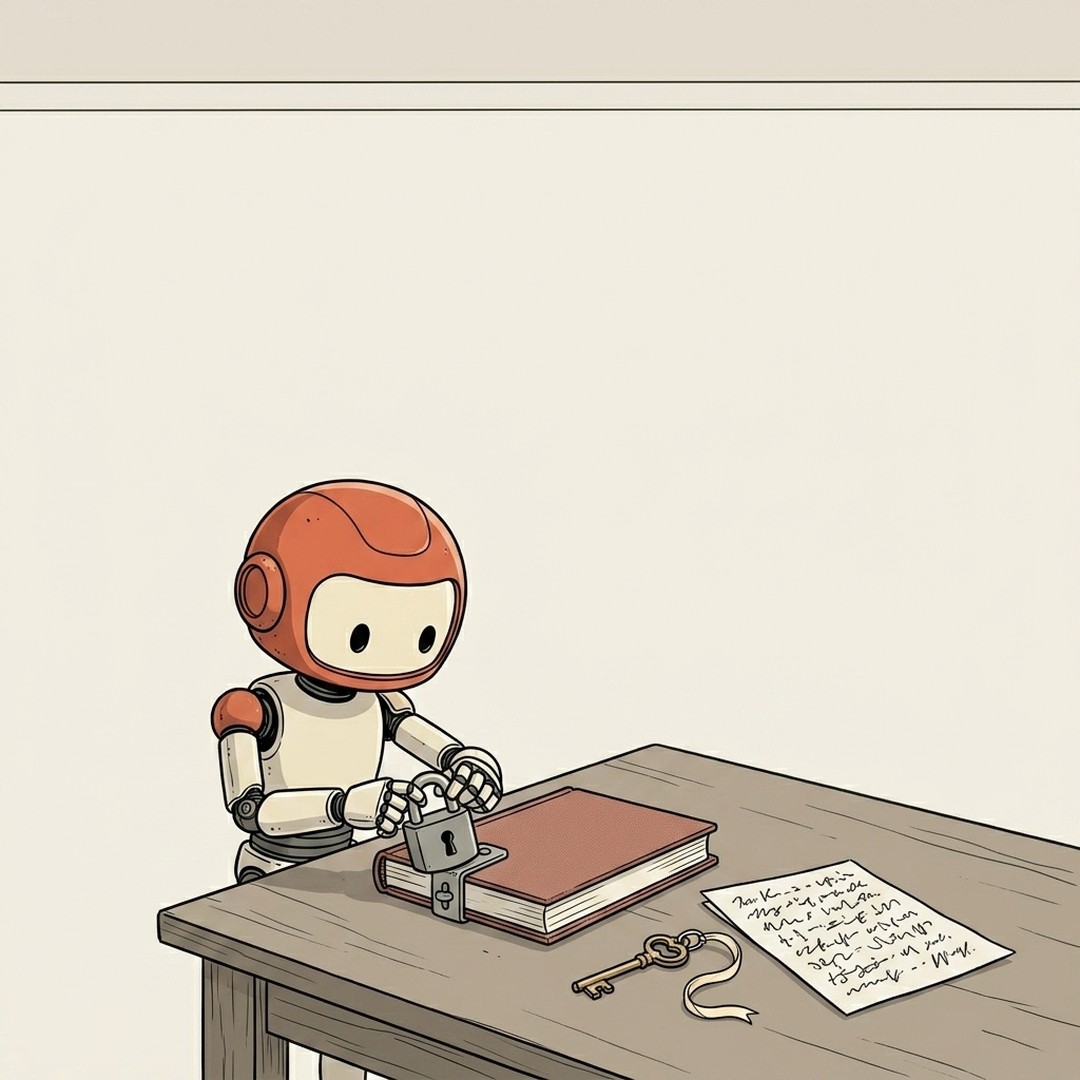
The everyday picture is a locked diary. Anyone can pick it up off the shelf, but without the key the pages are useless. The scrambling is real math, not a trick, so good encryption holds up even when an attacker is holding the locked version, because forcing it open would take more time and computing power than anyone realistically has.
You meet it constantly without noticing:
- The padlock in your browser bar. The connection is encrypted, so what you type travels as nonsense, not as plain text anyone on the same coffee-shop wifi could read. That is what the s in https is doing.
- End-to-end encrypted messaging. Only you and the person you are talking to hold keys, so even the company running the app sees scrambled junk in the middle.
A secret, like an API token, is exactly the kind of thing you most want encrypted, both in transit and while it sits in a database. Storing secrets in plain text is the classic mistake, because anyone who gets one peek at the file gets all of them. (Passwords get a cousin of this treatment called hashing: scrambled in a way that is not meant to be reversed at all, so the site can check yours without ever storing the real thing.) Encryption is what turns a stolen database from a catastrophe into a pile of locked diaries.
One honest limit worth holding onto: encryption protects the data, not the key. If someone steals the key, or you hand it over by typing your password into a convincing fake page, the strongest lock in the world swings right open. Most real break-ins are not someone cracking the math. They are someone getting the key the easy way.
Encryption is scrambling something so only the key-holder can read it. It is the padlock on the browser bar and the reason an intercepted message is just noise. Strong on the lock, careful with the key.